고대 그리스-로마 세계 매혹적인 미스터리, 에트루리아어 비밀을 풀어보자.
라틴어와는 달리, 이 독특한 언어는 알려진 어족이 없으며 로마인들이 이탈리아 전역에 언어를 전파하면서 직계 후손을 남기지 않았다.
흥미롭게도, 클라우디우스 황제(서기 41~54년)는 에트루리아 문화에 매료되어 언어를 익히고 24권에 달하는 방대한 역사서를 저술했지만, 안타깝게도 현재는 소실되었다.
도기, 무덤 벽화, 청동 거울에서 발견된 에트루리아어 비문은 그들의 일상생활, 종교적 신념, 장례 풍습을 엿볼 수 있게 해준다.
이러한 유물들은 에트루리아 신화에 대한 이해를 풍부하게 해 주며, 그리스 영향을 반영하는 신들의 이름을 드러내는 동시에 에트루리아 고유의 특징을 보여준다.
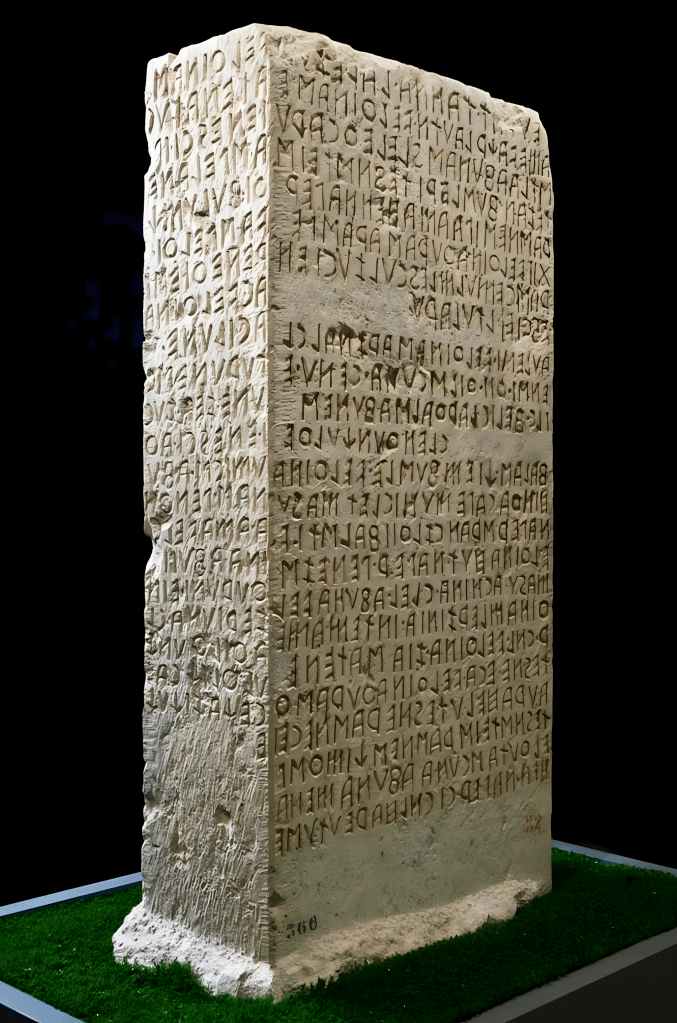
개중에서도 특히 주목할 만한 유물은 에트루리아 문자 46줄이 새겨진 놀라운 석판인 키푸스 페루시누스다.
이는 이 난해한 언어의 가장 긴 사례 중 하나로, 고대 법률 계약과 사회적 상호작용을 밝혀준다.
에트루리아인들 매력과 그들의 특별한 유산을 직접 경험해 보자.
Unlock the secrets of the Etruscan language, a captivating mystery from the ancient Greco-Roman world! Unlike Latin, this unique tongue has no known linguistic family and left no direct descendants as the Romans spread their language across Italy. Fascinatingly, Emperor Claudius (41–54 AD) was captivated by Etruscan culture, mastering the language and penning a monumental 24-volume history that, sadly, has been lost to time.
Etruscan inscriptions found on pottery, tomb paintings, and bronze mirrors offer a glimpse into their daily life, religious beliefs, and funerary customs. These artifacts enrich our understanding of their mythology, revealing names of deities that echo Greek influences while showcasing distinctly Etruscan uniqueness. Among the treasures is the Cippus Perusinus, a remarkable stone tablet with 46 lines of Etruscan script, one of the longest examples of this enigmatic language, illuminating ancient legal agreements and societal interactions. Discover the allure of the Etruscans and their extraordinary legacy!
 HeriTrip.com
댓글 남기기