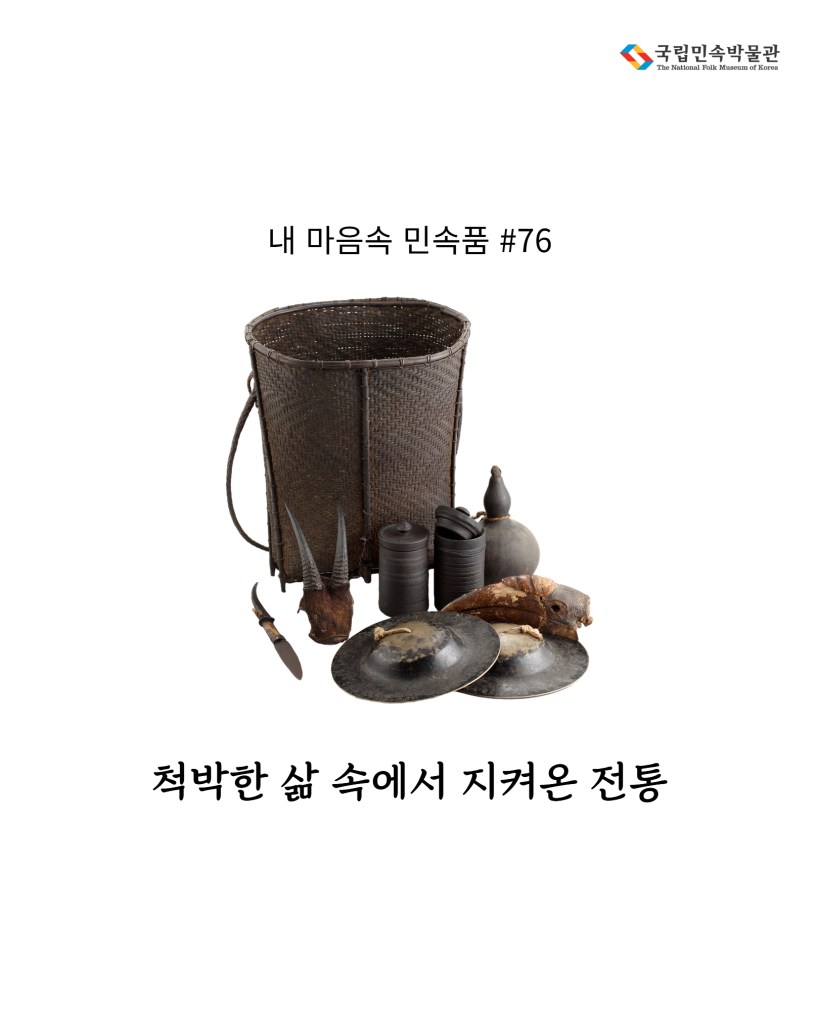

The Tradition Preserved in a Harsh Life
The Rai people of Nepal inhabit the mountainous eastern Himalayas. People often picture scenic, snow-capped peaks when they think of Nepal. However, daily life in this region is far from ideal. Geographical and climatic challenges, such as high altitudes, rugged terrain, and uneven rainfall, make basic economic activities like farming difficult for the Rai. In these harsh conditions, traditional beliefs such as shamanism provide protection and comfort.
Among the Rai shamans, the nakchhong is the most representative figure. The nakchhong is believed to communicate directly with nature deities and ancestral spirits. Beyond performing spells and divination, the nakchhong’s primary role is to heal illnesses. Their ceremonies are plain, featuring basic percussion, Mundhum (shamanic oral traditions about ancestors and deities), and trance-inducing dances.
Despite their simplicity, these rituals are conducted with great seriousness. The ceremonial tools are modest enough to be easily transported in the mountainous region, yet they are as significant as the elaborate items used in other religious ceremonies. These items reflect a humble desire to preserve life in a harsh environment.
Written by Kim Chang-ho, Senior Curator of the National Folk Museum of Korea
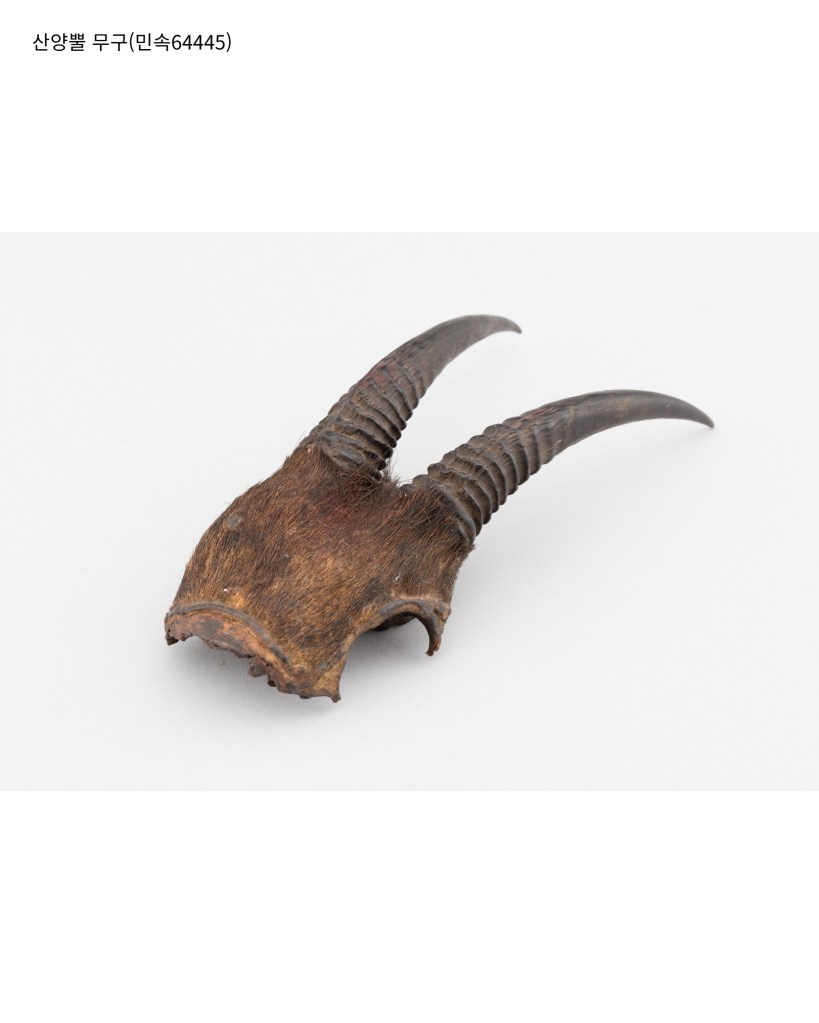
Artifact Information: Goat horn as a shamanic ritual implement
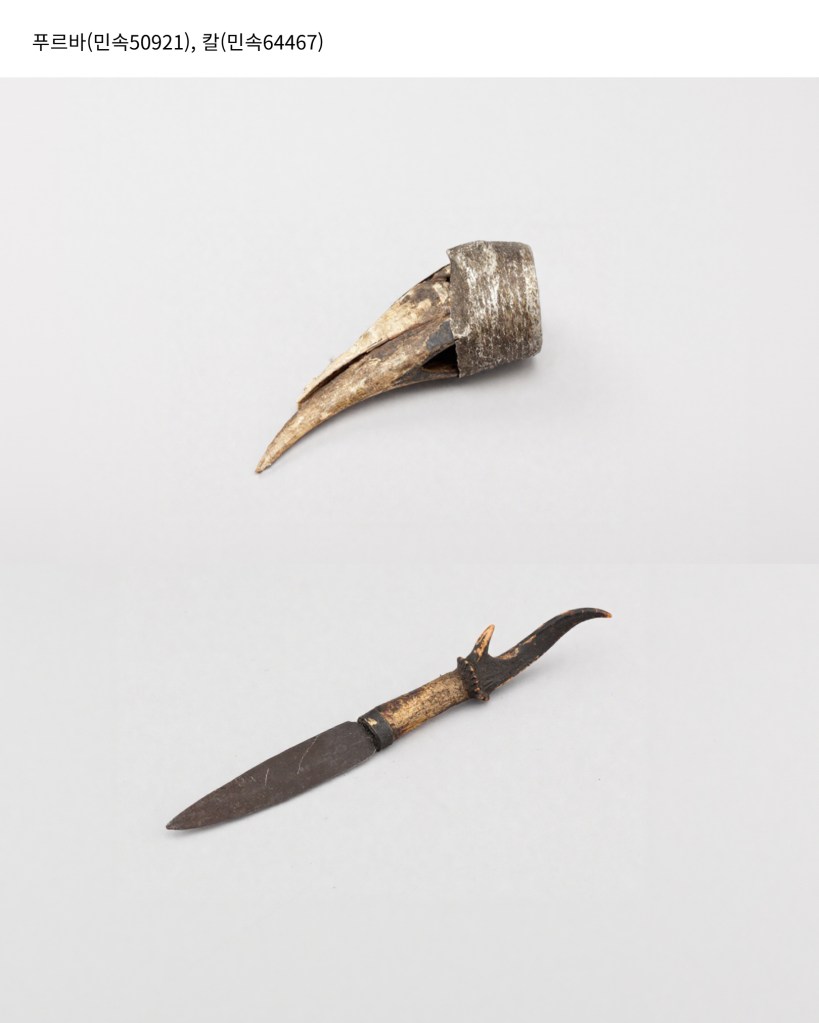
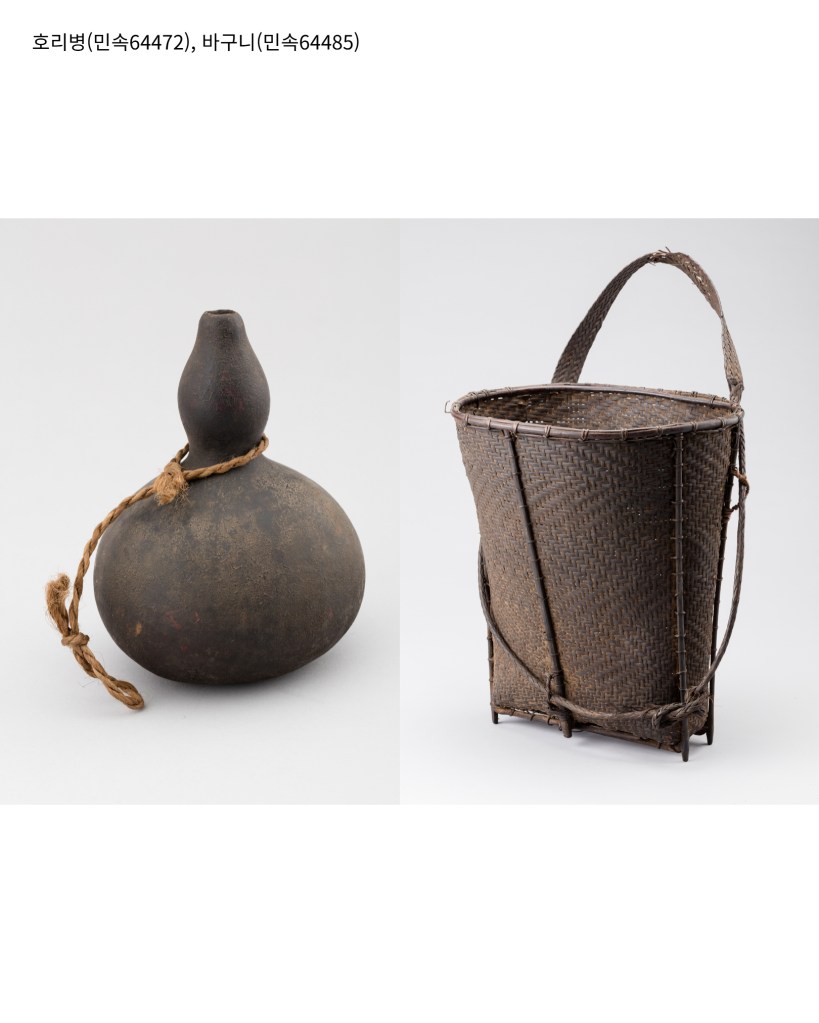
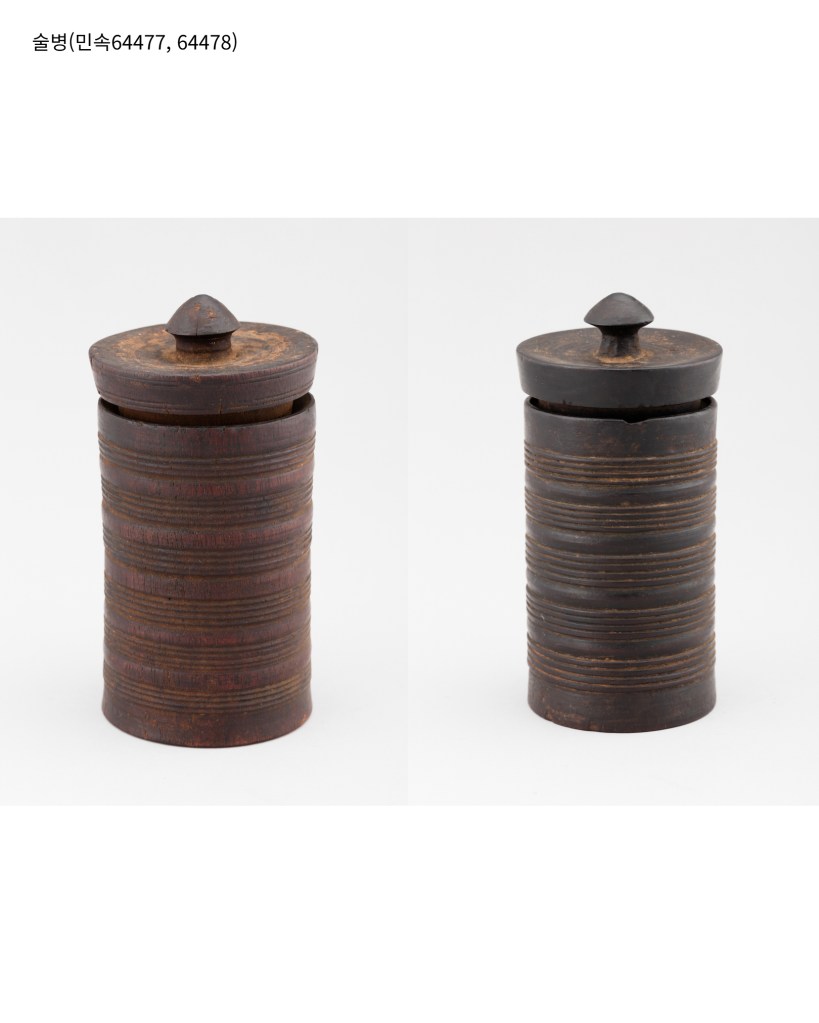
(Minsok64445), Bara (Cymbals) (Minsok64455), Gourd Bottle (Minsok64472), Sword (Minsok64467), Phurba (Minsok50921), Basket (Minsok64485), Liquor Bottle (Minsok64477 & 64478)
척박한 삶 속에서 지켜온 전통
네팔의 라이(Rai)족은 히말라야산맥 동쪽 산간 지역에 모여 사는 민족입니다.
네팔은 만년설이 쌓인 히말라야의 멋진 풍광으로 우리 머릿속에 각인되어 있지만, 생활환경이 그리 좋지만은 않습니다.
이곳의 라이족은 높은 고도와 험준한 산악, 균일하지 못한 강수량 등 지형적․기후적 한계로 농사와 같은 기본적인 경제행위에도 큰 어려움을 겪습니다.
그 척박함 속에서 자신의 삶을 지키고 마음의 위로를 얻는 방법 중 하나가 자신들이 지켜온 샤머니즘(Shamanism)형태의 전통적 신앙이었을 것입니다.
라이족에는 여러 유형의 샤먼이 있지만 가장 대표적인 것은 낙초(Nakchhong)입니다. 낙초는 자연신, 조상신과 직접적으로 영적 교섭이 가능하다고 여겨지는데, 주술과 점복은 기본이거니와 질병의 치료라는 매우 중요한 임무를 가지고 있습니다.
이들의 의례는 타악기 중심의 간소한 리듬에 조상과 신령의 이야기를 담은 문둠(Mundhum, 무가), 트랜스(Trance, 초월적 의식상태)를 포함한 춤이 어우러지는 단순한 형태이지만 이에 임하는 자세는 매우 진지합니다.
의례에 사용하는 도구도 산악 지역에서 쉽게 운반이 가능할 정도로 단출하지만, 다른 종교적 의례의 외적 화려함 못지않은 큰 의미를 함축하고 있습니다.
마치 척박한 환경 속에서 자신들의 삶을 지키려는 소박한 꿈을 소중히 담은 듯 보입니다.
글: 김창호 국립민속박물관 학예연구관
소장품 정보: 산양뿔 무구(민속64445), 바라(민속64455), 호리병(민속64472), 칼(민속64467), 푸르바(민속50921), 바구니(민속64485), 술병(민속64477, 64478)
 HeriTrip.com
댓글 남기기