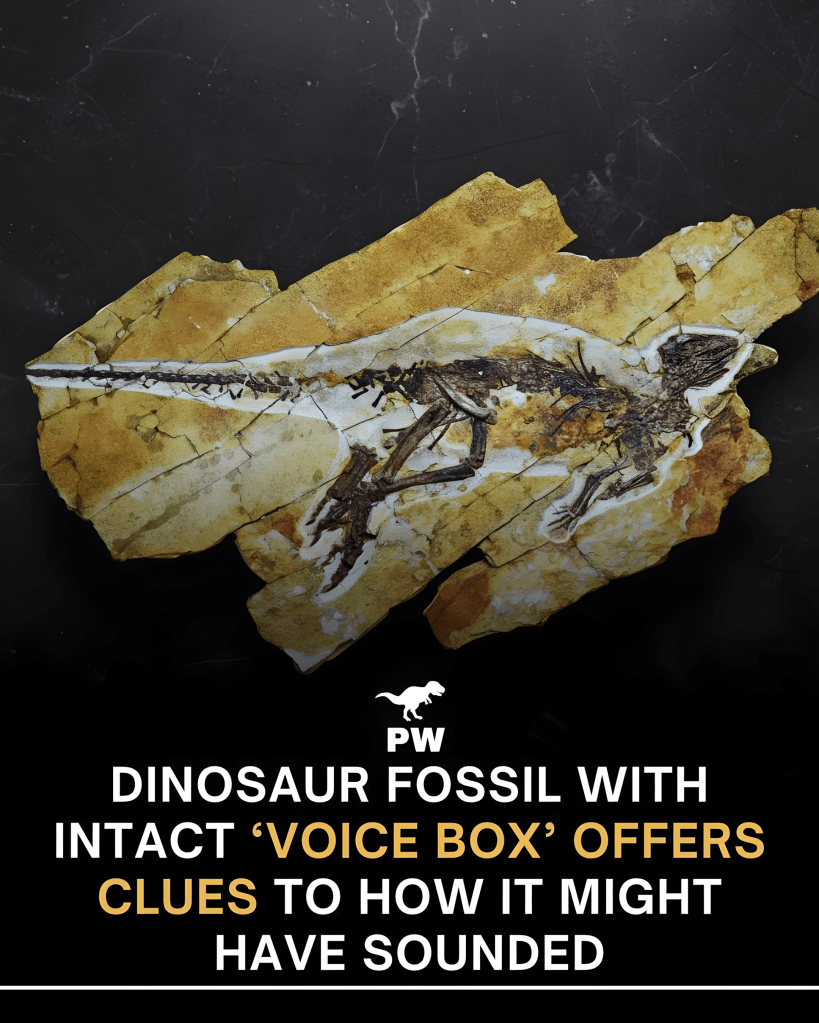
화석화한 해부학적 구조를 통해 복원한 공룡의 포효 소리를 상상해 보자.
과학자들은 처음으로 놀라울 정도로 잘 보존된 성대를 지닌 공룡 화석을 발견했는데, 이는 이 고대 생물들이 어떻게 서로 소통했을지 엿볼 수 있는 중요한 단서를 제공한다.
이 발견은 공룡의 행동, 사회적 상호작용, 그리고 진화에 대한 우리의 이해를 혁신적으로 바꾼다.
이 화석은 티라노사우루스Tyrannosaurus와 벨로시랩터Velociraptor 같은 유명한 포식자들이 속한 수각류 공룡theropod dinosaur의 것이다.
연조직은 수백만 년 동안 보존되기 어려운데, 성대voice box(syrinx)의 섬세한 구조는 연구자들이 연구할 수 있을 만큼 잘 보존되었다.
고생물학자들은 성대의 모양과 구조를 조사하여 공룡의 음높이, 음색, 그리고 가능한 발성 패턴에 대해 추측할 수 있다.
이 성대 화석은 공룡이 현대 파충류나 조류처럼 소리를 내지 않았을 수도 있으며, 대신 다양한 울음소리를 내어 소통했을 가능성을 시사한다.
이러한 울음소리는 위험을 알리거나, 짝을 유인하거나, 영역을 설정하거나, 사냥 전략을 조율하는 데 사용되었을 수 있다.
공룡의 소리를 이해하는 것은 뼈와 발자국에만 의존하는 선사시대 생명체에 대한 지식에 새로운 감각적 차원을 더한다.
흥미롭게도, 이 발견은 공룡과 현대 조류 사이의 연결 고리를 더욱 강화한다.
조류는 수각류 공룡의 가장 가까운 현존하는 친척이며, 조류의 복잡한 발성 기관은 고대 조상의 유사한 구조에서 진화했을 가능성이 있다.
이 화석은 발성 적응이 이미 수백만 년 전에 진행되고 있었음을 보여주며, 의사소통이 공룡의 생존과 사회적 행동에 중요한 역할을 했음을 시사한다.
과학자들은 현재 컴퓨터 시뮬레이션과 현존하는 조류와의 비교를 통해 이 공룡의 잠재적인 울음소리를 재구성하고 있다.
이러한 재구성은 시각적인 볼거리뿐만 아니라 오래전에 멸종한 생물들의 포효, 꽥꽥거림, 울음소리로 가득 찬 선사 시대 생태계를 상상할 수 있는 흥미진진한 기회를 제공한다.
신기하지만 매혹적인 사실. 일부 증거에 따르면 작은 공룡은 고음의 짹짹거림이나 떨림 소리를 사용했을 수 있고, 더 큰 포식자는 빽빽한 숲을 통해 먼 거리까지 전달될 수 있는 저주파의 웅웅거리는 소리를 냈을 수 있다고 한다.
Imagine hearing the roar of a dinosaur recreated from fossilized anatomy. For the first time, scientists have uncovered a dinosaur fossil with a remarkably preserved voice box, offering a window into how these ancient creatures may have communicated with one another. This discovery is transforming our understanding of dinosaur behaviour, social interactions, and evolution.
The fossil belongs to a theropod dinosaur, a group that includes famous predators like Tyrannosaurus and Velociraptor. While soft tissues rarely survive millions of years, the delicate structures of the voice box, or syrinx, were preserved well enough for researchers to study. By examining its shape and structure, paleontologists can make educated guesses about the pitch, tone, and possible vocal patterns of the dinosaur.
The voice box fossil reveals that dinosaurs may not have produced sounds like modern reptiles or birds, but instead could have emitted a variety of calls for communication. These calls may have been used to signal danger, attract mates, establish territory, or coordinate hunting strategies. Understanding how dinosaurs sounded adds a new sensory dimension to our knowledge of prehistoric life, moving beyond just bones and footprints.
Interestingly, this discovery also strengthens the link between dinosaurs and modern birds. Birds are the closest living relatives of theropod dinosaurs, and their complex vocal organs may have evolved from similar structures in their ancient ancestors. The fossil shows that vocal adaptation was already in progress millions of years ago, suggesting that communication played an important role in dinosaur survival and social behavior.
Scientists are now using computer simulations and comparisons with living birds to recreate the potential calls of this dinosaur. These reconstructions offer a thrilling opportunity to imagine prehistoric ecosystems filled with more than visual spectacles, but also a soundscape dominated by roars, squawks, and calls of creatures long extinct.
Strange but fascinating fact. Some evidence suggests that smaller dinosaurs may have used high-pitched chirps or trills while larger predators could produce low-frequency rumbles capable of traveling long distances through dense forests.
 HeriTrip.com
댓글 남기기