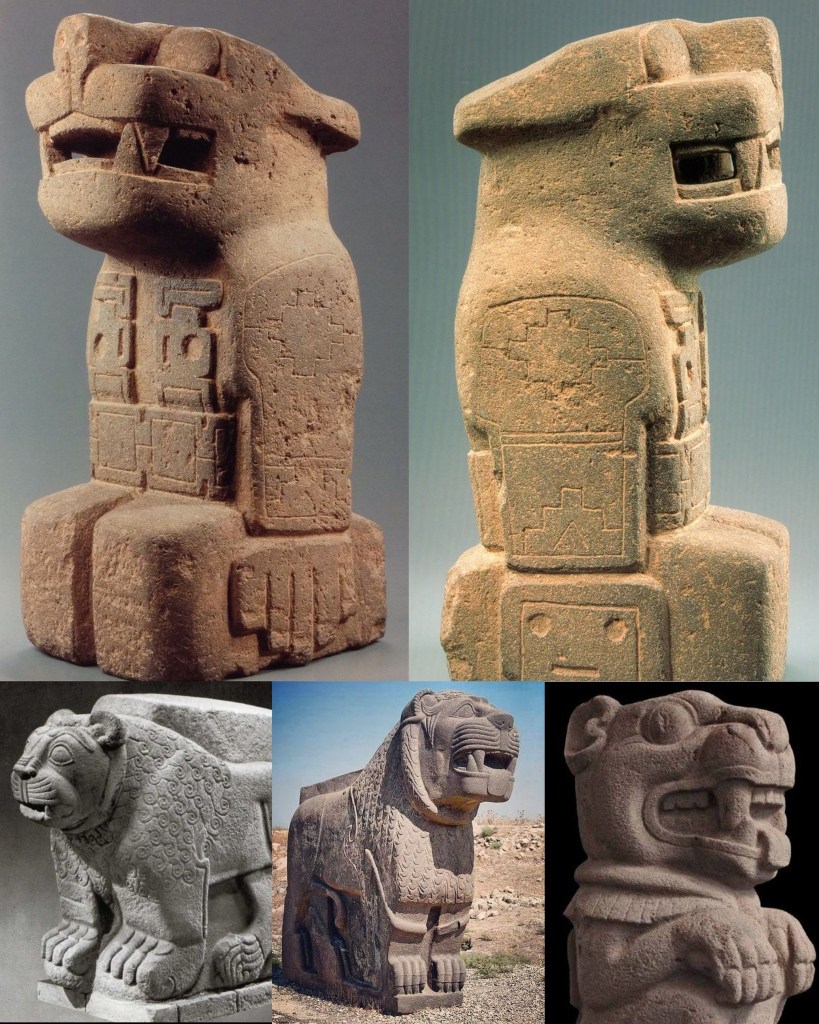
고대 세계에서 화산 현무암(검고 단단하며 내구성이 뛰어난 화산암)은 특히 조각과 부조 제작에 자주 사용되는 재료였다.
현무암은 화산 용암이 급속도로 식으면서 형성되며, 윤기 나는 검은색은 강렬하고 극적인 외관을 선사합니다.
이 돌은 아나톨리아, 메소포타미아, 이집트, 메소아메리카, 태평양 섬 지역에서 중요한 조각 작품의 소재가 되었다.
세계에서 가장 유명한 고대 현무암 조각품은 올멕 문명 거대 두상이다.
이 두상은 높이가 3미터가 넘고 무게가 최대 20톤에 달하는 화산 현무암 덩어리로 조각했다.
이 덩어리들은 시에라 데 로스 투스틀라스 화산에서 운반했다.
신아시리아 시대에는 현무암이 왕실 조각상과 부조 제작에 선호했다.
현무암은 매우 단단하기 때문에 이러한 조각품을 만드는 과정은 매우 고된 노동이었다.
돌들은 수백 킬로미터를 운반해 조각하고 연마했다.
고대 사회에서 이 재료는 힘, 영원함, 그리고 신의 보호를 상징하는 것으로 여겼다.
In the ancient world, volcanic basalt (a black, hard, and durable volcanic rock) was a frequently preferred material, especially for sculpture and relief making. Basalt forms when volcanic lava cools rapidly, and its glossy black color provides a powerful, dramatic appearance. This stone has been the subject of significant sculptural examples in Anatolia, Mesopotamia, Egypt, Mesoamerica, and the Pacific Islands.
The world’s most famous ancient basalt sculptures are the colossal heads of the Olmecs. These heads are carved from blocks of volcanic basalt, exceeding 3 meters in height and weighing up to 20 tons. They were transported from the Sierra de los Tuxtlas volcanoes.
During the Neo-Assyrian period, basalt was preferred for royal statues and reliefs.
Due to the hardness of basalt, the creation of these sculptures was very laborious; the stones were transported hundreds of kilometers, carved, and polished. This material was seen in ancient societies as a symbol of strength, permanence, and divine protection.
 HeriTrip.com
댓글 남기기